
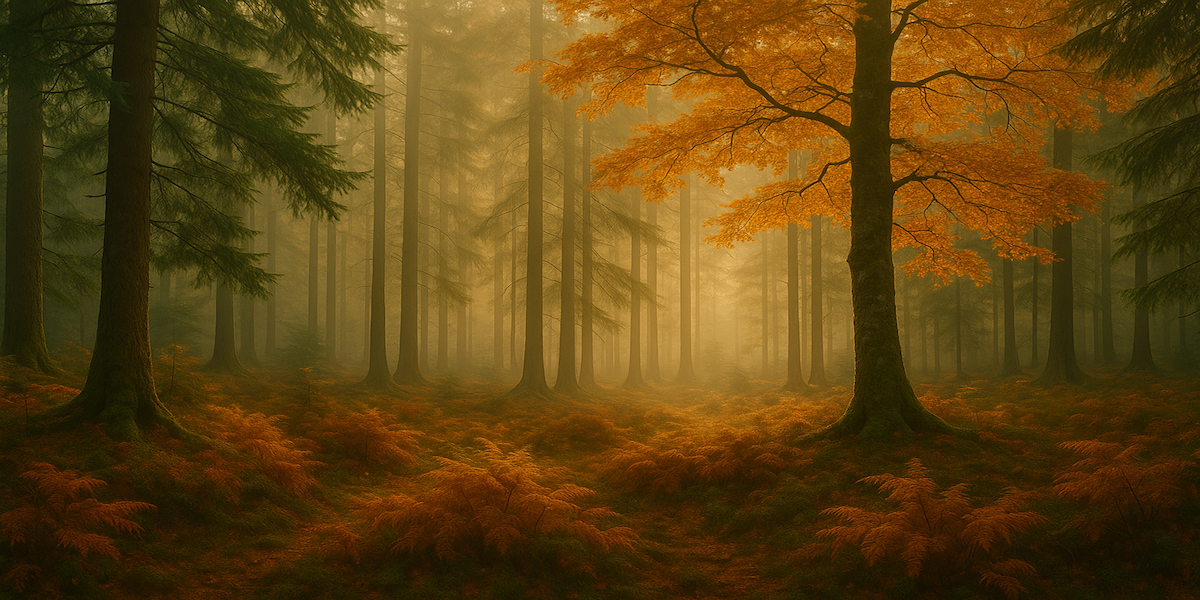
Have you ever noticed how you breathe a little deeper, feel a bit lighter, after time in the forest?
There’s science behind that calm.
It starts with something called phytoncides.
Contents
What is the role of phytoncides in human function?
Phytoncides are volatile organic compounds released by trees and other plants, especially evergreens like pine, cedar, and cypress. These natural oils help plants defend against bacteria, fungi, and insects. But they also affect us—particularly our immune system.
When you walk through a forest and take in that fresh, woody scent, you’re inhaling a mix of these compounds. Common examples include α-pinene, limonene, and camphene. They’re part of the forest’s invisible ecosystem—and our bodies are wired to respond.
Phytoncides and Human Immunity: The Research
The connection between forest air and immune function has been studied most notably in Japan, where “Shinrin-yoku” or forest bathing is part of preventive healthcare.
Here’s what the science says:
- Boosted NK cell activity: Natural Killer (NK) cells are a type of white blood cell that plays a key role in the body’s defense against viruses and tumor formation. Studies show that spending time in forests significantly increases the number and activity of NK cells, and these effects can last for days after exposure.
- Lower cortisol levels: Phytoncides help reduce stress hormones, which are known to suppress immune function when chronically elevated. Less stress means your immune system can function more effectively.
- Enhanced anti-cancer proteins: Some research suggests increased expression of intracellular proteins (like perforin and granzymes) associated with NK cell activity after forest exposure.
- Improved sleep and parasympathetic activity: A well-regulated nervous system supports immune resilience. Breathing in phytoncides appears to increase parasympathetic nervous system activity—supporting rest, repair, and digestion.
Which Trees Produce Phytoncides?
Not all trees emit phytoncides at the same level. Some of the highest producers include:
- Pine (Pinus spp.)
- Cypress (Cupressus spp.)
- Cedar (Cedrus spp.)
- Spruce (Picea spp.)
- Fir (Abies spp.)
These coniferous trees are especially abundant in boreal and temperate forests, making them ideal environments for forest therapy walks that support immune health.
Why This Matters for Forest Therapy
Forest therapy isn’t just about getting fresh air—it’s about intentional, sensory immersion in a biologically active landscape. As guides, we don’t need to explain the chemistry during a session. But understanding it deepens our respect for the forest as a partner in healing.
It also helps us design walks in areas rich with phytoncide-producing trees, or schedule walks seasonally when emissions are highest (usually warmer months).
And for participants who ask, “What’s really happening in my body right now?”—this is one of the clearest answers we can offer.
Supporting Your Immune System, One Walk at a Time
You don’t need to hike far or fast. The benefits come from slowing down, breathing deeply, and spending time in green spaces rich with natural compounds like phytoncides. Whether you’re guiding others or taking a quiet solo walk, each moment spent in the forest is an invitation to engage your immune system in a completely natural way.
Want more insights like this? Subscribe to FTC’s newsletter for seasonal practices, research updates, and ways to deepen your connection to the natural world.

2 thoughts on “The Role of Phytoncides in Human Immune Function”
Comments are closed.