Forest Therapy in Winter: Why It’s Worth Guiding Cold-Season Walks

Forest therapy in winter invites deeper stillness, awe, and resilience. Here’s why guiding in cold seasons can transform your practice.

Forest therapy in winter invites deeper stillness, awe, and resilience. Here’s why guiding in cold seasons can transform your practice.

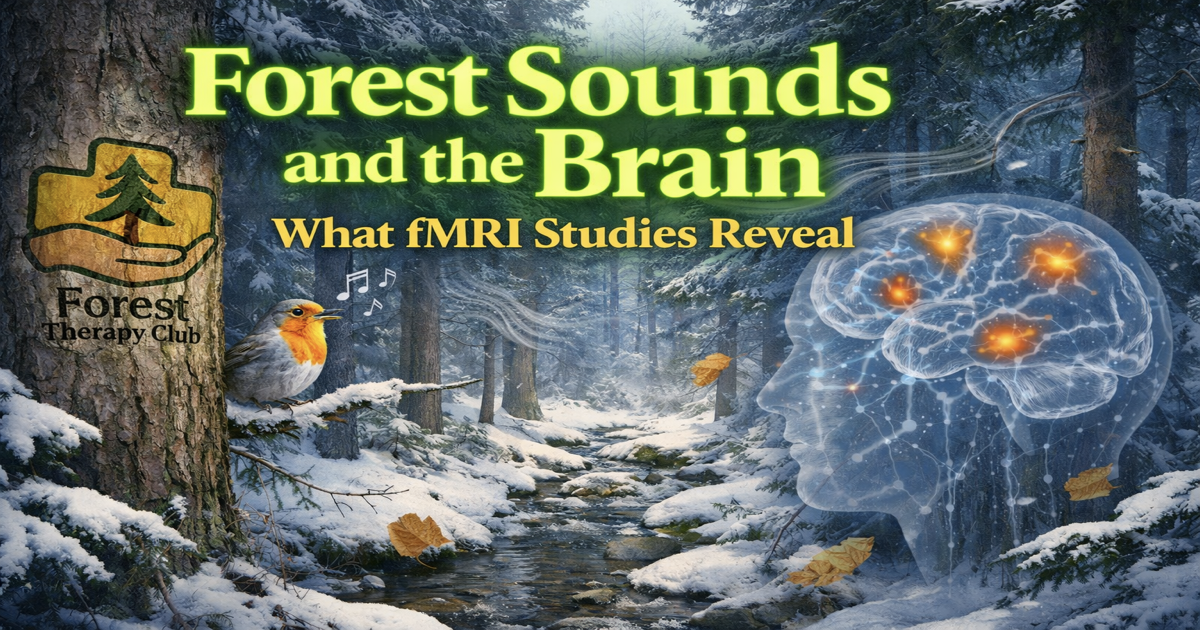
Forest sounds and the brain—discover how fMRI research reveals nature soundscapes may reduce stress and support calm through real brain changes.
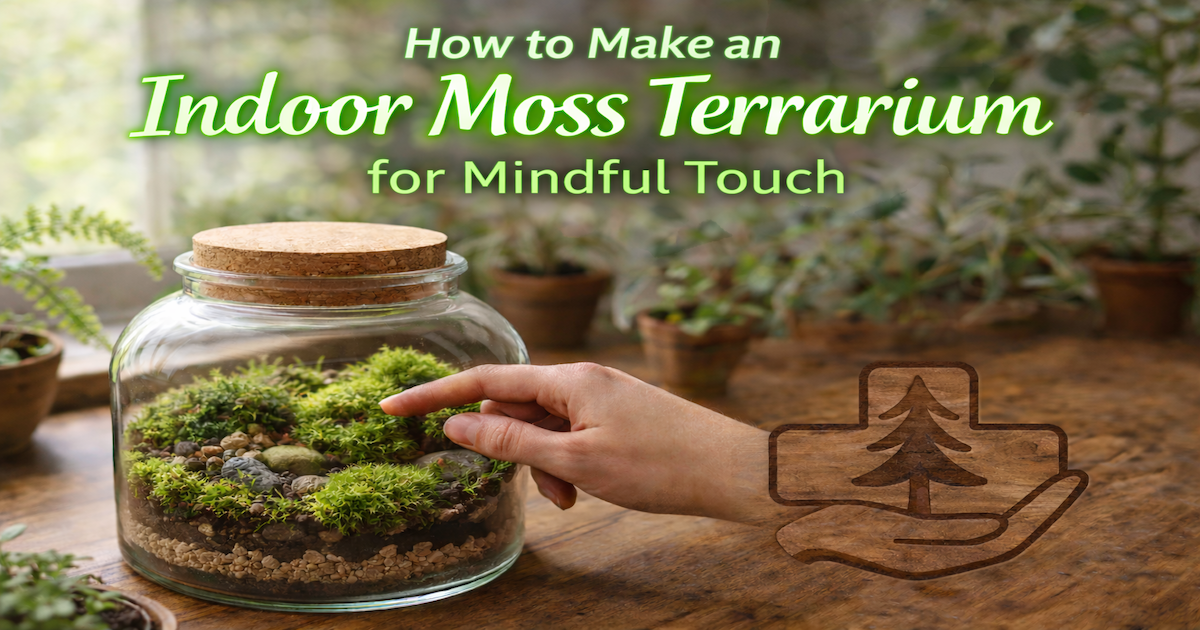
Indoor moss terrarium: learn how to create a living moss garden to support mindful touch and sensory calm at home.

Forest bathing playlist with binaural beats: how to choose tracks, structure sessions, and deepen sensory immersion using sound and nature.

Loneliness and isolation increase indoors. Discover how forest therapy reconnects us through nature’s embrace and meaningful presence.
Forest therapy and sleep are deeply connected. Learn how nature immersion improves sleep cycles, reduces insomnia, and supports nervous system regulation.

Forest-inspired journaling practice helps you deepen nature connection, reduce stress, and track your seasonal wellbeing with mindful intention.

Winter challenges like shorter days and low sunlight disrupt your natural rhythm. Learn how to adapt with grounded practices for seasonal wellbeing.
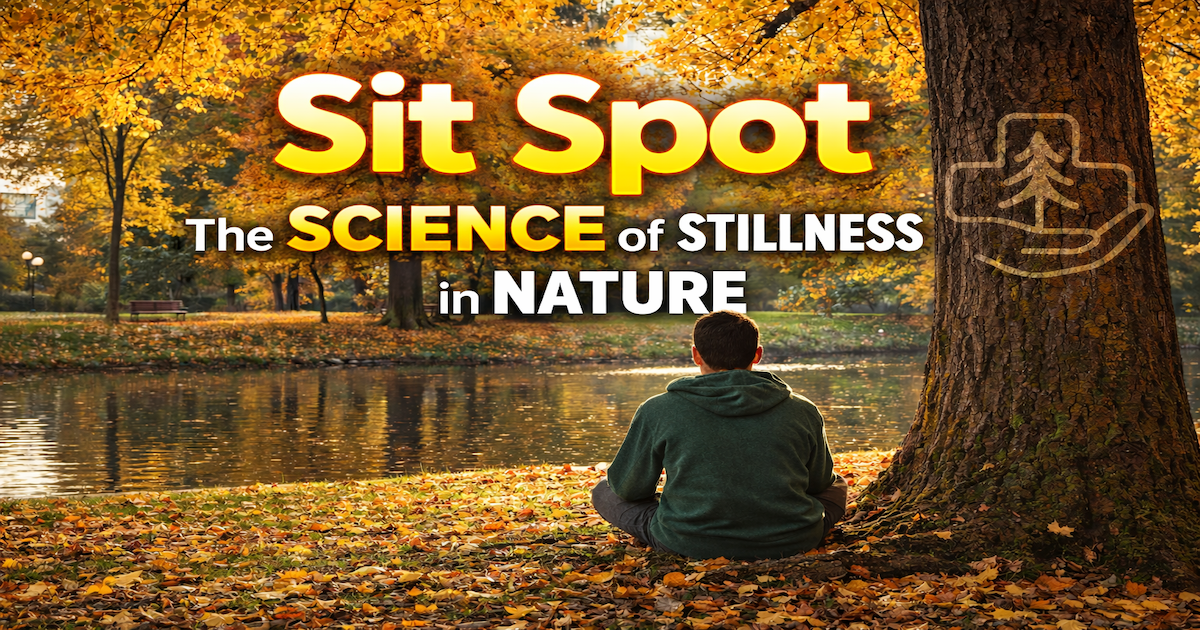
How to take a sit spot practice in an urban park and reconnect with nature wherever you are. Grounded presence and mindfulness in the city.
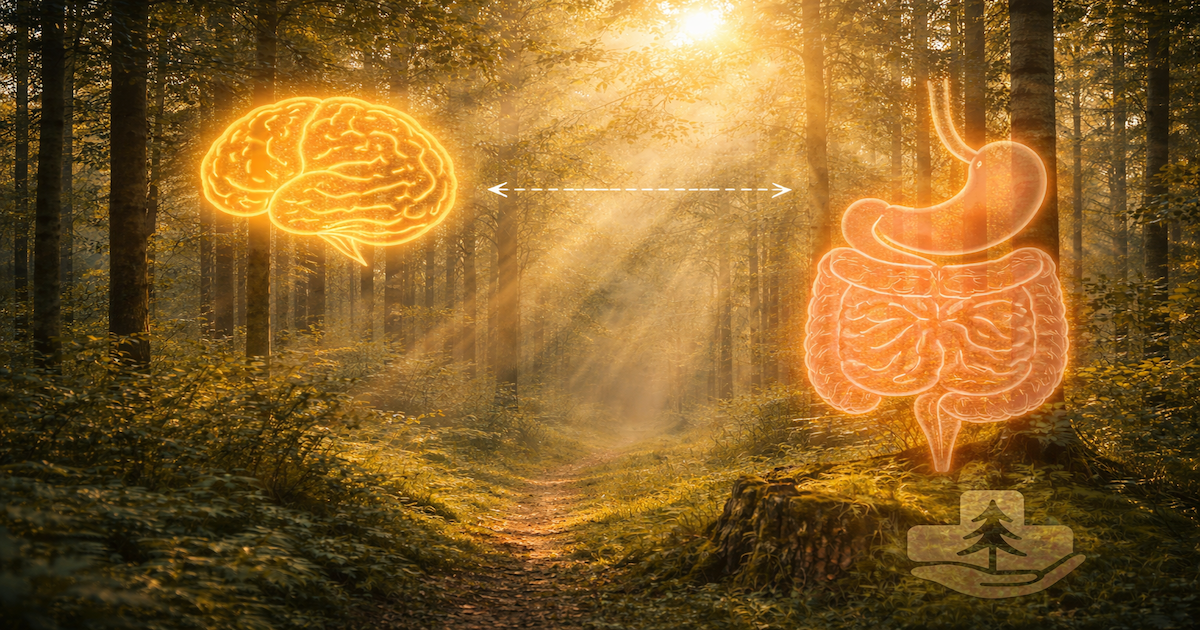
The gut-brain axis plays a vital role in how your body and mind communicate, and surprisingly, forest air can strengthen that connection. Have you ever noticed your stomach feeling calmer after a walk among the trees? That sense of ease isn’t just in your head; it’s in your gut. Recent research suggests that spending time in … Read more