
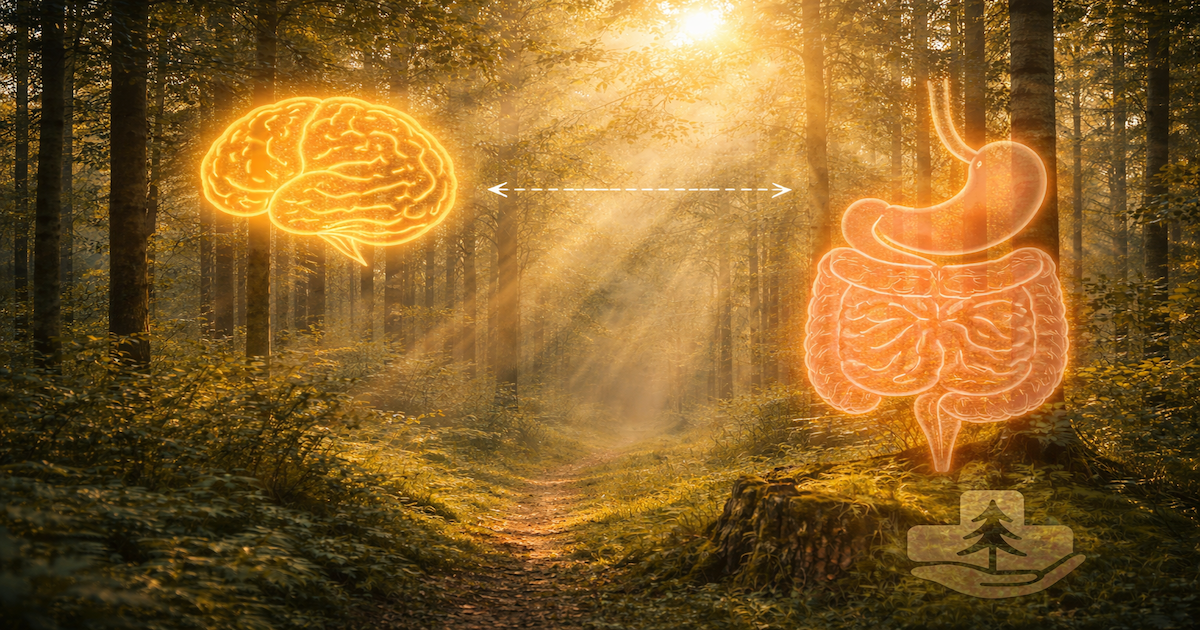
The gut-brain axis plays a vital role in how your body and mind communicate, and surprisingly, forest air can strengthen that connection. Have you ever noticed your stomach feeling calmer after a walk among the trees? That sense of ease isn’t just in your head; it’s in your gut.
Recent research suggests that spending time in nature, especially breathing in rich, microbe-filled forest air, can positively influence the gut-brain axis, improving digestion, mood, and overall well-being.
In this article, you’ll discover how forest environments promote digestive balance, mental clarity, and immune vitality through the subtle yet powerful chemistry of nature’s air.
What Is the Gut-Brain Axis?
The gut-brain axis is a complex communication system linking your digestive tract to your central nervous system. It’s often called the “second brain” because your gut produces neurotransmitters like serotonin, which influence mood, appetite, and even cognition.
When this system is balanced, digestion runs smoothly, and your mind feels clear. When it’s disrupted, by chronic stress, poor diet, or inflammation, both gut and mental health can suffer.
How Forest Air Supports Gut Health
Spending time in forests does more than calm your mind. It can also help restore harmony in your gut ecosystem.
Here’s how:
1. Phytoncides: Nature’s Healing Compounds
Forests release phytoncides — natural antimicrobial compounds emitted by trees. When inhaled, they can:
- Reduce harmful bacteria and inflammation in the body
- Lower stress hormones like cortisol
- Support immune function and microbial diversity
A healthier microbiome contributes to better digestion and nutrient absorption.
2. Microbial Exchange in Forest Environments
Soil, plants, and forest air are rich in beneficial microbes. Exposure to this natural biodiversity may help “train” your immune system and improve gut flora — an essential factor in maintaining digestive resilience.
3. Stress Reduction and Vagus Nerve Activation
The calm rhythm of a forest walk activates the vagus nerve, the main communication highway between your gut and brain.
When the vagus nerve is stimulated through deep breathing and relaxation, digestion improves — promoting better enzyme release, motility, and nutrient uptake.
The Science of Forest Bathing and Digestion
Japanese researchers studying shinrin-yoku (forest bathing) found that time spent in forests can reduce heart rate, lower stress hormones, and enhance parasympathetic nervous activity, the body’s “rest and digest” mode.
In contrast, chronic exposure to urban environments can over-activate the stress response, impairing digestion and gut function.
Simply put: the forest helps your body remember how to relax, allowing your digestive system to work optimally.
Practical Ways to Support Your Gut-Brain Axis Through Forest Time
- 🌲 Take a 2-hour forest walk at least once a week.
- 🌬️ Breathe deeply through your nose to maximize phytoncide absorption.
- ☀️ Seek sunlight filtering through trees — it enhances serotonin and vitamin D levels.
- 🧘♀️ Practice mindful breathing or gentle stretching among trees to activate the vagus nerve.
- 🌿 Touch natural surfaces (bark, moss, soil) to connect with environmental microbes that may benefit your gut flora.
Beyond Digestion: The Ripple Effect of Forest Exposure
Improved gut health influences much more than digestion, it enhances mood stability, immunity, and even cognitive clarity.
By nurturing your gut-brain axis through forest immersion, you’re not just supporting your digestive system; you’re harmonizing your body’s entire communication network.
Key Takeaway
Forest air is more than just refreshing, it’s therapeutic. The exchange between trees and your body helps balance stress, strengthen your microbiome, and improve digestion naturally.
Next time you walk through the woods, remember: each breath carries invisible medicine for both your mind and your gut.
